Rodent and Wildlife Removal in Greensburg
Request an estimate
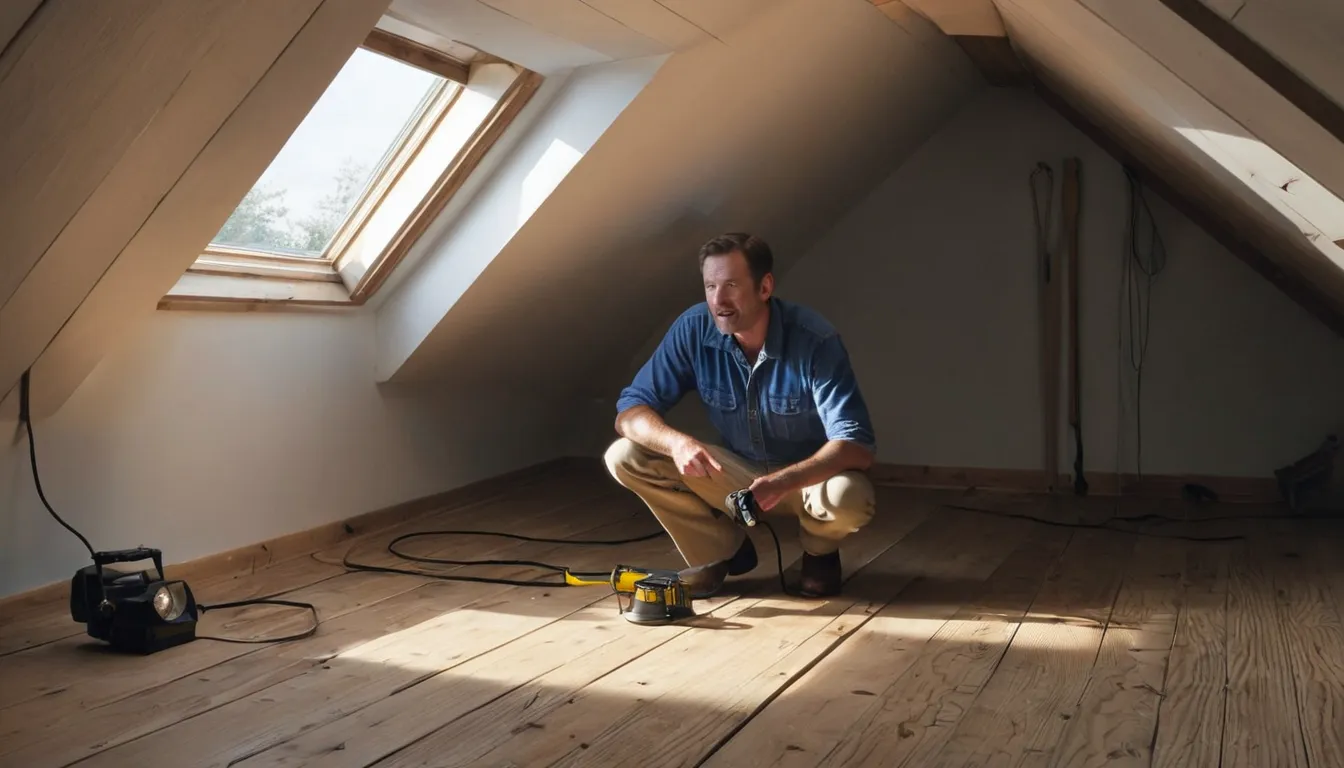
Something is moving where it should not be. Maybe it is scratching above the ceiling, or tiny droppings in the pantry. If this is new to you, take a breath. Rodent and wildlife problems are common in the Greensburg area, and they can be solved in steps.
Recommendchallenging Pest Control is a referral service. We do not do the work. We connect you with independent providers in our network who inspect, remove animals, and seal the entry points. This page explains what the work involves, what drives the price, and what to ask before you agree. You can request an estimate, compare written quotes, and decide at your own pace with no obligation.
Noises in the Attic or Walls? Start Here
Scratching at night. A thump overhead. Maybe a sour smell near the basement stairs. It is unsettling, and it is fine to feel rattled. Breathe, then plan.
You do not have to figure this out alone tonight. A provider in our network can inspect your home, name the animal, and show you where it got in. Recommendchallenging Pest Control simply helps you reach that provider.
Why Acting Early Helps
Mice can slip through a gap the size of a dime. Rats chew wood, pipes, and wiring. Both multiply quickly once they settle in.
Larger animals bring their own timing. Squirrels and raccoons often nest in spring and early summer. If babies are inside, removal needs more care, and a good provider plans around that.
Waiting rarely makes it cheaper. Damage spreads, insulation gets soiled, and the repair list grows.
Signs You Are Not Imagining It
You do not need to see the animal to know it is there. Watch for:
- Scratching, rolling, or thumping, often at dusk or overnight
- Droppings along baseboards, in cabinets, or in the attic
- Gnawed boxes, wood, or wire coating
- Greasy smudges along walls and pipes
- Musty or sharp odors that do not fade
- Pets sniffing or staring at one spot
Signs That Need Attention First
Most signs can wait for a calm phone call or a form. A few should move to the top of your list.
Chewed wiring
Gnawed wires are a fire risk. If you smell burning or see flickering lights, contact a licensed electrician. A rodent provider can then deal with the animals.
Animals inside living space
A bat in a bedroom or a raccoon in the kitchen needs careful handling. Keep children and pets away, close the door to the room, and do not grab the animal. Local health or animal control offices can advise on exposure concerns.
Animals Providers Commonly Handle
The list depends on your area, but it often includes:
- House mice and Norway or roof rats
- Squirrels and chipmunks
- Raccoons and opossums
- Bats, which have special protections
- Birds nesting in vents
- Groundhogs digging under porches and sheds
Older homes with stone or block foundations, full basements, and attached sheds offer many small openings. A provider knows where to look.
What Happens During a Visit
Every provider works a little differently. Here is the usual flow.
Inspection first
The provider checks the attic, basement, crawl spaces, roofline, and foundation. They look for droppings, nests, rub marks, and entry points. Ask them to show you what they find.
Sealing and removal
Trapping or one-way exits remove the animals. Sealing the openings keeps new ones out. Skipping the sealing is the most common reason problems return.
Cleanup and follow-up
Some providers clean droppings and replace damaged insulation. Others refer that work out. Ask about follow-up visits and get the details in writing.
What Shapes the Price
Three things move the number most: the animal, how hard the space is to reach, and how many entry points need sealing. A single mouse job is not priced like a raccoon in a steep roofline.
Repairs and cleanup are often separate line items. That is normal, as long as they are listed. Quote in writing, and ask before agreeing to anything that is not on the page.
Request a callback to check provider availability in your area.
Humane Handling and Local Rules
Many states limit how wildlife can be trapped, moved, or released. Bats and some birds have special protection, and certain seasons may restrict exclusion work. Providers in our network are independent, so ask whether they follow local rules and handle animals humanely.
If a provider suggests relocating an animal, ask where, and whether that is permitted locally.
Choosing a Removal Provider
A few plain questions go a long way:
- Are you licensed or permitted for wildlife work where I live?
- Will you inspect before quoting?
- Does the quote include sealing, cleanup, and follow-up?
- What happens if the animals return?
Any provider who is calm and clear with answers is a good sign. Pressure to sign on the spot is not.
Keeping Animals Out
Removal is only half the job. Exclusion keeps the problem from coming back. Trim branches away from the roof, store food in sealed containers, and keep trash lids tight. Check vents, gaps around pipes, and basement windows once a season.
Before winter sets in
Cold snowy winters and spring snowmelt push animals toward warm, dry spaces. Fall is a smart time to walk your foundation and roofline and patch small gaps.
A Calm Next Step
You have the basics now. Request an estimate, compare what you receive, and take your time choosing.
What's Included
Home Inspection
A provider checks the attic, basement, and roofline to find the animal and every spot where it got in.
Humane Removal
Traps or one-way exits remove animals while following local wildlife rules and seasonal limits.
Entry Sealing
Gaps, vents, and foundation cracks are closed so animals cannot return.
Cleanup Options
Many providers can clean droppings or replace soiled insulation, often as separate quoted items.
Typical U.S. Costs for Rodent and Wildlife Removal
Prices depend on the animal, how hard the space is to reach, and how much sealing or cleanup is needed. These are general U.S. ranges. Always ask for a written quote before work starts.
| Item | Typical range | Notes |
|---|---|---|
| Inspection | $100 – $300 | Some providers include it with work |
| Mouse removal and sealing | $200 – $600 | Depends on number of entry points |
| Rat removal | $300 – $900 | Often needs repeat visits |
| Squirrel or raccoon removal | $300 – $800 | Higher if babies are present |
| Exclusion and repairs | $300 – $1,500 | Varies with home size and access |
| Attic cleanup and insulation | $1,000 – $6,000 | Depends on area affected |
How It Works
Request an estimate
Tell us about the noises or signs you see, and your request goes to a local provider in our network.
Provider contacts you
A provider reaches out to ask questions and may schedule an inspection.
Review a written quote
Compare the scope, price, and follow-up terms before you agree.
Provider does the work
The independent provider removes the animals, seals entry points, and explains next steps.
Why Call Recommendchallenging Pest Control
Damage Can Grow Quietly
Gnawed wires, soiled insulation, and nests can spread while you wait.
Colonies Multiply
Mice and rats breed quickly, so a few can turn into many in weeks.
Seasons Matter
Nesting time and winter cold change which methods are allowed and how animals behave.
Written Quotes Help
A clear quote shows what is included, so you can compare options without guessing.
Other Services
Need rodent and wildlife removal in Greensburg?
Tell us what you are seeing and request an estimate. A provider in our network will follow up with next steps and a written quote. No obligation.
No obligationRodent and Wildlife Removal FAQ
How do I know if I have mice or rats?
Droppings, gnaw marks, and scratching at night are the usual signs. Mouse droppings are small like rice grains. Rat droppings are larger. A provider can confirm which animal it is during an inspection.
How much does wildlife removal cost?
Typical U.S. costs range from a few hundred dollars for a simple job to several thousand with repairs and cleanup. The animal, access, and sealing needs change the price, so get a written quote first.
Can I remove animals from my attic myself?
Small jobs sometimes work, but wildlife can bite, carry disease, and be protected by local law. Babies left behind are another risk. Many homeowners prefer a provider who knows the rules and can seal the entry points.
Tell us what happened
Tell us what you are seeing and request an estimate. A provider in our network will follow up with next steps and a written quote. No obligation.
No obligation